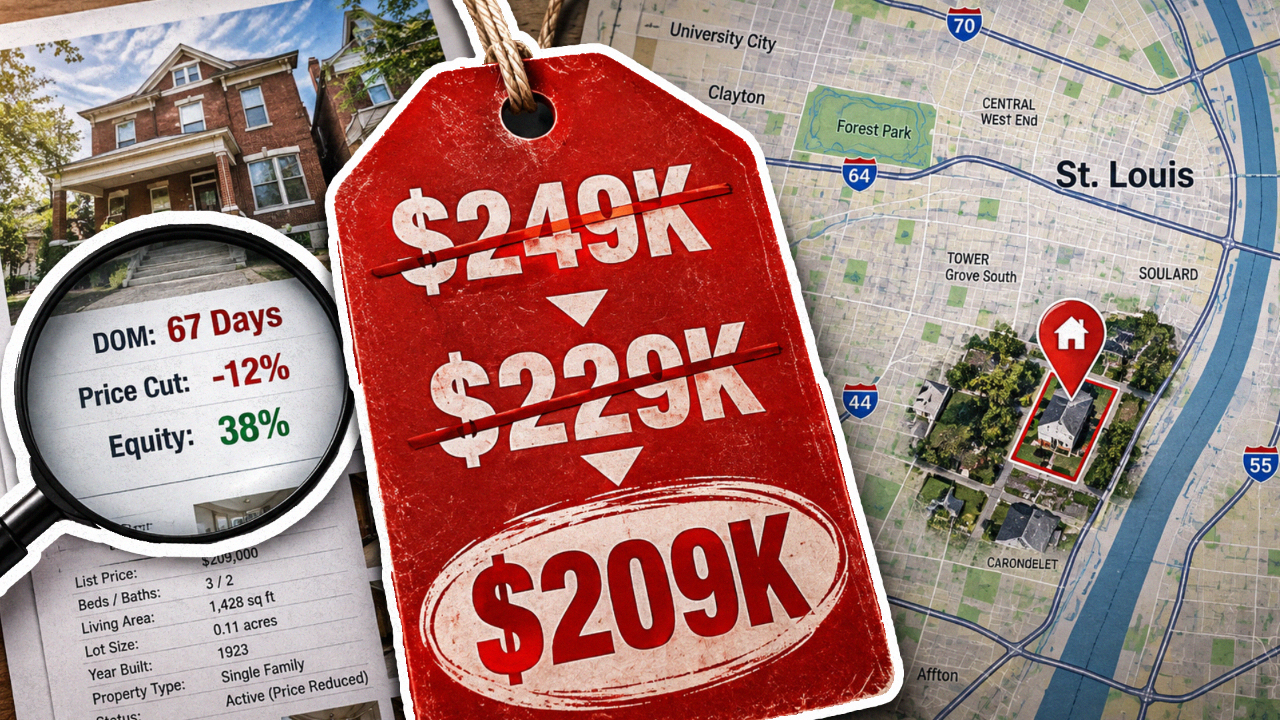
Why St. Louis Homes Sit Longer & How to Sell Fast (2026)
Aug 06, 2026
Written by David Dodge
If you just listed your St. Louis home and haven't received an offer by day three, take a deep breath and don't panic. The golden era of putting a simple "For Sale" sign in the yard and waking up to ten competing offers over a single weekend is largely behind us. As the local housing market shifts into a more calculated and measured phase, understanding current dynamics is essential for any seller aiming for a smooth and profitable transaction.
With median time on market stretching out considerably across the metropolitan area, patience and preparation have become your greatest allies. According to local real estate performance reports,
Furthermore, local market observers emphasize that inventory fluctuations have completely changed how buyers approach purchasing decisions. According to comprehensive market tracking,
The 2026 Shift: Understanding Market Velocity
To truly appreciate why homes are taking longer to sell today, we have to look closely at the macro-level indicators shaping the Gateway City. Real estate is inherently hyper-local, and St. Louis is no exception. While historic city neighborhoods with high walkability and turnkey renovations still capture rapid interest, suburban and broader metro listings are experiencing a normalization period.
Market analysts note that
(Note: The embedded visual data graph illustrating the evolution of median days on market from the 2024 peak down to the normalizing 2026 market is fully rendered and styled within the attached PDF document).
As illustrated in the data graph above, the timeline from listing to pending contract has expanded step-by-step. Where properties once cleared in a matter of days during the peak frenzy, today's sellers must prepare for a more deliberate staging, marketing, and negotiation runway.
In addition to rising inventory, mortgage rate stabilization has created a new baseline for buyer expectations. Buyers are no longer waiting for historic lows; instead, they are budgeting carefully around current rates, making them exceptionally meticulous about structural integrity, neighborhood comparables, and overall value.
The Two Main Culprits Behind Sitting Homes
If your home has been on the market for several weeks without drawing serious traction, it usually comes down to one of two relatable problems that buyers are hyper-focused on right now:
1. Overpricing for the 2026 Market
Today’s buyers are far more price-sensitive than they were during the post-pandemic boom. Driven by sustained financing costs and careful budgeting, they examine every dollar. You must price your home based on recent neighborhood comparables, rather than what your neighbor's house sold for at the peak of 2024. When sellers cling to inflated expectations, properties stall.
Furthermore, market metrics demonstrate that pricing discipline directly dictates success. According to comprehensive market tracking,
When listings are priced above true market value, they quickly accumulate "stale" days on market. In the eyes of modern buyers browsing online portals, a property that sits for more than 45 days raises immediate red flags, often prompting lowball offers or causing buyers to pass over the listing entirely.
2. The "Fixer-Upper" Fatigue
Rising labor and material costs mean modern buyers are terrified of major renovation projects. If your home has an aging roof, an outdated HVAC system, or deferred maintenance issues, buyers will mentally double the cost of those repairs when drafting an offer—or they will simply walk away entirely to avoid the headache.
In regions with extensive historic housing stock, such as the pre-1940 brick properties found throughout the city, structural and mechanical condition acts as the ultimate dividing line. As real estate data experts point out,
Furthermore, contractors and specialized trades are in high demand across the Midwest, driving up project turnaround times and labor quotes. Because of this, turnkey properties command a massive premium, while homes needing updates sit indefinitely unless priced with deep renovation discounts.
Deep Dive: Macroeconomic Pressures and Regional Buyer Psychology
To fully grasp why houses are lingering on the St. Louis market, we must examine the broader economic landscape influencing Missouri real estate. Over the past twenty-four months, macroeconomic shifts—including federal monetary policies, inflation adjustments, and localized employment trends—have redefined consumer confidence.
Homebuyers across St. Louis County, St. Charles, and the Metro East are no longer operating in an environment of reckless exuberance. Every purchasing decision is scrutinized against household budgets, debt-to-income ratios, and long-term equity projections. According to extensive housing analyses,
However, when a home misses the mark on pricing or condition, the penalty is swift. Real estate data underscores that properties requiring significant cosmetic or structural overhauls experience a compounding delay. As noted in recent regional assessments,
The Evolution of St. Louis Neighborhood Dynamics
St. Louis is a patchwork of distinct neighborhoods and municipalities, each reacting to the 2026 market in unique ways. Understanding how your specific micro-market operates is critical to avoiding extended days on market.
In urban core neighborhoods like the Central West End, Tower Grove, and Soulard, buyer demand remains relatively resilient due to high walkability, historic charm, and proximity to major medical and educational institutions. Yet, even in these sought-after pockets, buyers are increasingly reluctant to take on deferred maintenance. A historic home with original millwork and charm will sell in days, but if the roof is past its prime or the electrical panel is outdated, prospective buyers will hesitate.
Meanwhile, suburban markets such as Chesterfield, Kirkwood, and Ballwin are experiencing a distinct balancing act. Families relocating for top-tier school districts continue to drive competitive sub-markets, but inventory constraints and higher borrowing costs mean that over-improved or overpriced suburban homes sit much longer than they did during the 2024 peak. Sellers in these areas must calibrate their listing prices precisely to avoid competing against new construction or impeccably staged resale alternatives.
Pro Tips to Outsmart the Market and Sell Faster
Sitting longer doesn't mean your home can't sell for top dollar. By taking proactive steps before your listing goes live, you can disarm buyer hesitation and stand out in a crowded inventory.
-
Tackle Deferred Maintenance First: Fix leaky faucets, service your HVAC unit, and ensure your roof is certified sound. Removing repair anxiety builds immediate buyer confidence.
-
Invest in Neutral Refresh: A fresh coat of neutral paint can completely transform dated interiors and make spaces feel bright, clean, and move-in ready.
-
Price Right from Day One: Avoid the trap of "pricing high to see what happens." Overpriced listings accumulate stale days on market, eventually forcing price reductions that make buyers suspicious.
-
Enhance Curb Appeal: First impressions matter more than ever when inventory is up. Power wash walkways, trim overgrown bushes, and add fresh mulch to your front beds.
-
Professional Staging and Photography: With nearly all buyers starting their search online, high-definition photography, virtual tours, and professional staging are mandatory to capture attention within the first three seconds of scrolling.
-
Offer Flexible Closing Terms: Accommodating buyer timelines, offering home warranties, or negotiating reasonable closing cost credits can be the deciding factor that turns a hesitant browser into a committed contract signer.
Expert Takeaway from House Sold Easy Team
In a normalizing market, presentation and precision pricing are your best tools. Do not let initial quiet days discourage you; prepare your home thoroughly, align with hard local data, and you will capture the right buyer.
Navigating Negotiations and Home Inspections in 2026
Once you successfully secure an offer, the journey is only halfway complete. In the current market, home inspection negotiations have become a major hurdle for sellers unprepared for buyer scrutiny.
Because buyers are hyper-aware of repair costs, home inspection reports often trigger requests for substantial credits or price reductions. To protect your sale, consider conducting a pre-listing inspection. By identifying and resolving critical issues before putting your home on the market, you eliminate negotiation surprises and prevent deals from falling apart during the inspection contingency window.
Furthermore, maintaining transparency with prospective buyers regarding past repairs and home improvements builds immense trust. When buyers see detailed receipts for recent HVAC servicing, roof certifications, and plumbing updates, they feel secure moving forward without demanding excessive concessions.
Ready to Buy or Sell in St. Louis? House Sold Easy Has You Covered!
Whether you're thinking about listing your home or exploring a cash offer, it's worth understanding all of your options before making a decision. The right choice depends on your timeline, your property's condition, and your goals. Contact House Sold Easy to discuss your situation and see what makes the most sense for you.Our St. Louis experts know every corner of this city and will make buying your dream home or selling your high-end property a breeze. Don’t miss out on the hottest market in the U.S.! Contact House Sold Easy today and let’s make your real estate goals happen!