Selling St. Louis Homes: Why Overpricing Will Cost You!
Aug 12, 2026
Written by House Sold Easy Team
Let’s have a candid conversation about selling your house in late summer 2026. If you’re planning to list your home in Kirkwood, St. Charles, or the Central West End, you might be looking at what your neighbor’s house sold for in 2024 and expecting the same wild frenzy. You might be remembering the days of waived inspections, buyers offering fifty thousand dollars over asking price, and properties flying off the market in a matter of hours. It is natural to want to capture that same magic for your own sale. However, the market has fundamentally shifted.
Here is the reality check: While the St. Louis market remains strong, buyers are no longer throwing blind offers at properties. We are now operating in a more balanced, normalized real estate environment. The local market is showing signs of balance, with moderate price growth, more listings, and easing mortgage rates. This is an excellent time to sell, but only if you approach the process with a grounded, data-driven strategy. Pricing a home incorrectly in today's climate doesn't just mean waiting a little longer to sell; it can mean actively sabotaging your final net profit.
The New Reality of "Days on Market"
Currently, the median listing in the St. Louis metro is spending about 44 days on the market—four days longer than this time last year. Buyers are being more selective because they can be. In the past, a buyer might tour a home with a leaky roof and an outdated kitchen and still submit an aggressive offer simply because they were terrified of losing out. Today, that same buyer is calculating the cost of a new roof, factoring in their monthly mortgage payment, and deciding they would rather keep looking.
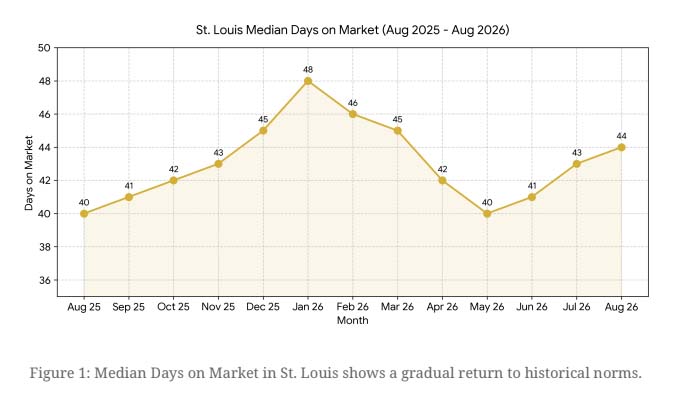
It is critical to understand the psychology behind "Days on Market" (DOM). When a house hits the market, the first two weeks are its prime showing period. This is when enthusiasm is highest. The Zillow and Realtor.com algorithms push the new listing to the top of buyers' feeds. Real estate agents immediately send the link to their clients. If your home is priced correctly, this initial surge of traffic translates into showings, and ideally, an offer.
But what happens if you overprice? The home sits. As the DOM counter ticks past 30 days, 40 days, and beyond, a stigma begins to attach itself to the property. Buyers and their agents start asking a dangerous question: "What is wrong with it?" Even if the only thing wrong with it is the price, buyers will assume there is a hidden defect. This leads to lowball offers that are often far below what you could have achieved if you had priced it correctly from day one. The St. Louis County real estate market experienced notable growth in June 2026, with homes selling for a median price of $325,000. But achieving that median price requires precision.
How to Win as a Seller Right Now: Nail the Price on Day One
Overpricing your home "just to see what happens" is a dangerous game. In real estate, the market is the ultimate arbiter of value. You do not determine what your home is worth; the buyers do. Working with the House Sold Easy Team means relying on accurate, up-to-the-minute comparative market analysis (CMA). We look at homes that have sold in your specific neighborhood within the last 90 days. We look at the active competition. We look at properties that failed to sell (expired listings) to understand where the ceiling is.
Consider a hypothetical seller in Kirkwood. They want to list for $500,000 because they need that amount to fund their next purchase. However, the data clearly shows that comparable homes in their neighborhood are selling for $465,000. If they insist on listing at $500,000, they will likely miss the buyer pool searching in the $450k-$475k bracket. The buyers looking in the $500k+ bracket will expect superior finishes, more square footage, or a better lot. The home becomes invisible to the right buyers and disappointing to the wrong ones.
Focus on Turnkey Appeal in a High-Rate Environment
The financial realities for buyers have changed dramatically since the pandemic era. The 30-year fixed-rate mortgage averaged 6.69% as of August 6, 2026, up from last week when it averaged 6.66%. Because their monthly payments are significantly higher, buyers have less liquid cash left over for renovations, repairs, and updates after closing. The days of selling a "fixer-upper" at a premium are largely behind us in the standard retail market.
To capture top dollar in Fall 2026, your home needs to be turnkey. This doesn't necessarily mean a massive, expensive kitchen remodel. It means executing high-return, low-cost improvements that signal to buyers that the home has been meticulously maintained. Paint the trim, fix the leaky faucet, deep clean the carpets, and stage the living room. Neutralize the color palette. A buyer walking through your home should not be mentally compiling a to-do list; they should be imagining themselves living there.
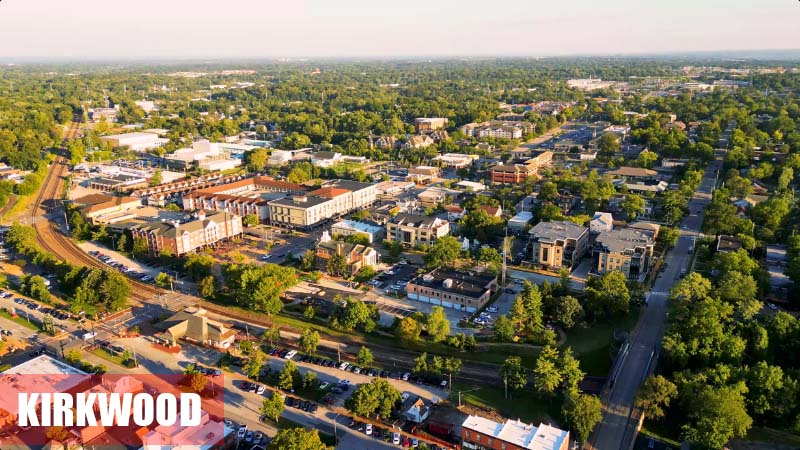
Spotlight on Kirkwood: Adapting to the 2026 Market
The market dynamics in Kirkwood reflect the broader St. Louis trends, but with unique local nuances. Historically, Kirkwood has been a highly sought-after area, known for its distinct architectural character, community amenities, and robust local economy. However, as we move through late summer 2026, sellers in Kirkwood must recalibrate their expectations. While demand remains present, the buyer pool is exhibiting increased caution. The premium previously placed on simply having a Kirkwood zip code is no longer sufficient to override pricing misalignments.
For sellers in this specific submarket, the emphasis must shift heavily toward pre-listing preparation. Buyers viewing homes in Kirkwood are comparing your property not just against current active listings, but against the heightened expectations set by the current interest rate environment. They expect systems—HVAC, roofing, plumbing—to be in excellent working order. If your home in Kirkwood requires significant capital expenditure shortly after closing, you must adjust your listing price to reflect that reality, or risk sitting on the market well beyond the median 44 days.
Furthermore, staging has proven to be incredibly effective in Kirkwood. Highlighting the natural light, defining the usage of transitional spaces (such as home offices or reading nooks), and maximizing the perceived square footage can dramatically impact a buyer's emotional connection to the property. It is about creating a narrative of a well-cared-for home where a new family can immediately begin building memories, rather than taking on a project.

Spotlight on St. Charles: Adapting to the 2026 Market
The market dynamics in St. Charles reflect the broader St. Louis trends, but with unique local nuances. Historically, St. Charles has been a highly sought-after area, known for its distinct architectural character, community amenities, and robust local economy. However, as we move through late summer 2026, sellers in St. Charles must recalibrate their expectations. While demand remains present, the buyer pool is exhibiting increased caution. The premium previously placed on simply having a St. Charles zip code is no longer sufficient to override pricing misalignments.
For sellers in this specific submarket, the emphasis must shift heavily toward pre-listing preparation. Buyers viewing homes in St. Charles are comparing your property not just against current active listings, but against the heightened expectations set by the current interest rate environment. They expect systems—HVAC, roofing, plumbing—to be in excellent working order. If your home in St. Charles requires significant capital expenditure shortly after closing, you must adjust your listing price to reflect that reality, or risk sitting on the market well beyond the median 44 days.
Furthermore, staging has proven to be incredibly effective in St. Charles. Highlighting the natural light, defining the usage of transitional spaces (such as home offices or reading nooks), and maximizing the perceived square footage can dramatically impact a buyer's emotional connection to the property. It is about creating a narrative of a well-cared-for home where a new family can immediately begin building memories, rather than taking on a project.

Spotlight on Central West End: Adapting to the 2026 Market
The market dynamics in Central West End reflect broader St. Louis trends while maintaining unique local nuances. Historically, Central West End has been a highly sought-after area, known for its distinct architectural character, community amenities, and robust local economy. However, as we move through late summer 2026, sellers in Central West End must recalibrate their expectations. While demand remains present, the buyer pool is exhibiting increased caution. The premium previously placed on simply having a Central West End zip code is no longer sufficient to override pricing misalignments.
For sellers in this specific submarket, the emphasis must shift heavily toward pre-listing preparation. Buyers viewing homes in Central West End are comparing your property not just against current active listings, but against the heightened expectations set by the current interest rate environment. They expect systems—HVAC, roofing, plumbing—to be in excellent working order. If your home in Central West End requires significant capital expenditure shortly after closing, you must adjust your listing price to reflect that reality, or risk sitting on the market well beyond the median 44 days.
Furthermore, staging has proven to be incredibly effective in Central West End. Highlighting the natural light, defining the usage of transitional spaces (such as home offices or reading nooks), and maximizing the perceived square footage can dramatically impact a buyer's emotional connection to the property. It is about creating a narrative of a well-cared-for home where a new family can immediately begin building memories, rather than taking on a project.

Spotlight on Chesterfield: Adapting to the 2026 Market
The market dynamics in Chesterfield reflect the broader St. Louis trends, but with unique local nuances. Historically, Chesterfield has been a highly sought-after area, known for its distinct architectural character, community amenities, and robust local economy. However, as we move through late summer 2026, sellers in Chesterfield must recalibrate their expectations. While demand remains present, the buyer pool is exhibiting increased caution. The premium previously placed on simply having a Chesterfield zip code is no longer sufficient to override pricing misalignments.
For sellers in this specific submarket, the emphasis must shift heavily toward pre-listing preparation. Buyers viewing homes in Chesterfield are comparing your property not just against current active listings, but against the heightened expectations set by the current interest rate environment. They expect systems—HVAC, roofing, plumbing—to be in excellent working order.
If your home in Chesterfield requires significant capital expenditure shortly after closing, you must adjust your listing price to reflect that reality, or risk sitting on the market well beyond the median 44 days.
Furthermore, staging has proven to be incredibly effective in Chesterfield. Highlighting the natural light, defining the usage of transitional spaces (such as home offices or reading nooks), and maximizing the perceived square footage can dramatically impact a buyer's emotional connection to the property. It is about creating a narrative of a well-cared-for home where a new family can immediately begin building memories, rather than taking on a project.
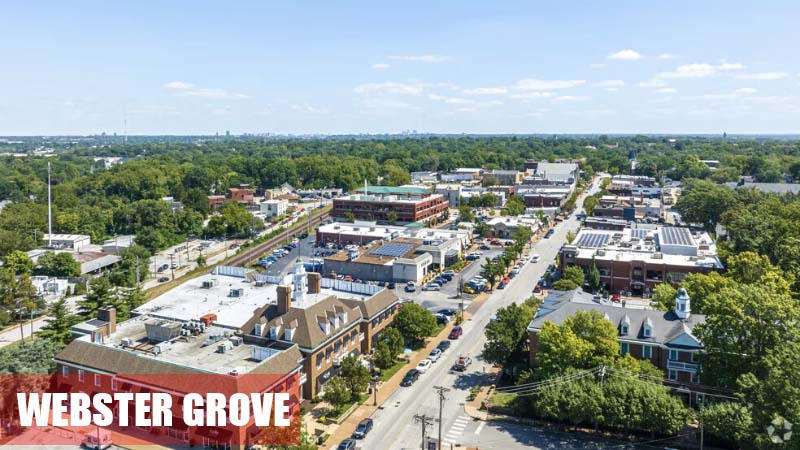
Spotlight on Webster Groves: Adapting to the 2026 Market
The market dynamics in Webster Groves reflect the broader St. Louis trends, but with unique local nuances. Historically, Webster Groves has been a highly sought-after area, known for its distinct architectural character, community amenities, and robust local economy. However, as we move through late summer 2026, sellers in Webster Groves must recalibrate their expectations. While demand remains present, the buyer pool is exhibiting increased caution. The premium previously placed on simply having a Webster Groves zip code is no longer sufficient to override pricing misalignments.
For sellers in this specific submarket, the emphasis must shift heavily toward pre-listing preparation. Buyers viewing homes in Webster Groves are comparing your property not just against current active listings, but against the heightened expectations set by the current interest rate environment. They expect systems—HVAC, roofing, plumbing—to be in excellent working order. If your home in Webster Groves requires significant capital expenditure shortly after closing, you must adjust your listing price to reflect that reality, or risk sitting on the market well beyond the median 44 days.
Furthermore, staging has proven to be incredibly effective in Webster Groves. Highlighting the natural light, defining the usage of transitional spaces (such as home offices or reading nooks), and maximizing the perceived square footage can dramatically impact a buyer's emotional connection to the property. It is about creating a narrative of a well-cared-for home where a new family can immediately begin building memories, rather than taking on a project.

Spotlight on Clayton: Adapting to the 2026 Market
The market dynamics in Clayton reflect the broader St. Louis trends, but with unique local nuances. Historically, Clayton has been a highly sought-after area, known for its distinct architectural character, community amenities, and robust local economy. However, as we move through late summer 2026, sellers in Clayton must recalibrate their expectations. While demand remains present, the buyer pool is exhibiting increased caution. The premium previously placed on simply having a Clayton zip code is no longer sufficient to override pricing misalignments.
For sellers in this specific submarket, the emphasis must shift heavily toward pre-listing preparation. Buyers viewing homes in Clayton are comparing your property not just against current active listings, but against the heightened expectations set by the current interest rate environment. They expect systems—HVAC, roofing, plumbing—to be in excellent working order. If your home in Clayton requires significant capital expenditure shortly after closing, you must adjust your listing price to reflect that reality, or risk sitting on the market well beyond the median 44 days.
Furthermore, staging has proven to be incredibly effective in Clayton. Highlighting the natural light, defining the usage of transitional spaces (such as home offices or reading nooks), and maximizing the perceived square footage can dramatically impact a buyer's emotional connection to the property. It is about creating a narrative of a well-cared-for home where a new family can immediately begin building memories, rather than taking on a project.
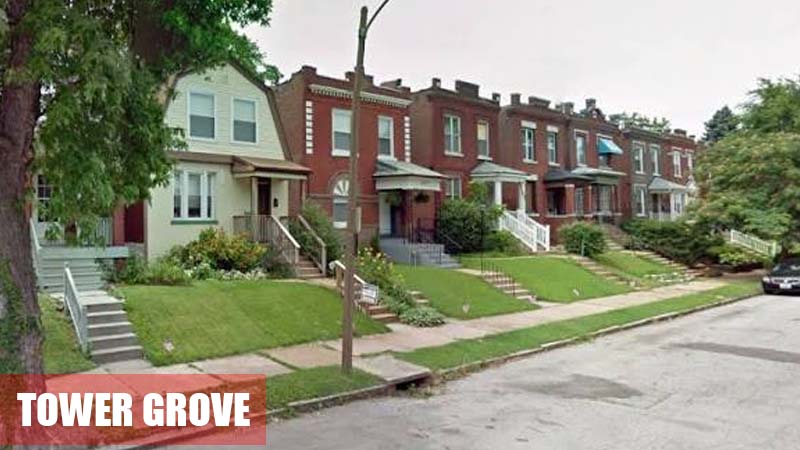
Spotlight on Tower Grove: Adapting to the 2026 Market
The market dynamics in Tower Grove reflect the broader St. Louis trends, but with unique local nuances. Historically, Tower Grove has been a highly sought-after area, known for its distinct architectural character, community amenities, and robust local economy. However, as we move through late summer 2026, sellers in Tower Grove must recalibrate their expectations. While demand remains present, the buyer pool is exhibiting increased caution. The premium previously placed on simply having a Tower Grove zip code is no longer sufficient to override pricing misalignments.
For sellers in this specific submarket, the emphasis must shift heavily toward pre-listing preparation. Buyers viewing homes in Tower Grove are comparing your property not just against current active listings, but against the heightened expectations set by the current interest rate environment. They expect systems—HVAC, roofing, plumbing—to be in excellent working order. If your home in Tower Grove requires significant capital expenditure shortly after closing, you must adjust your listing price to reflect that reality, or risk sitting on the market well beyond the median 44 days.
Furthermore, staging has proven to be incredibly effective in Tower Grove. Highlighting the natural light, defining the usage of transitional spaces (such as home offices or reading nooks), and maximizing the perceived square footage can dramatically impact a buyer's emotional connection to the property. It is about creating a narrative of a well-cared-for home where a new family can immediately begin building memories, rather than taking on a project.
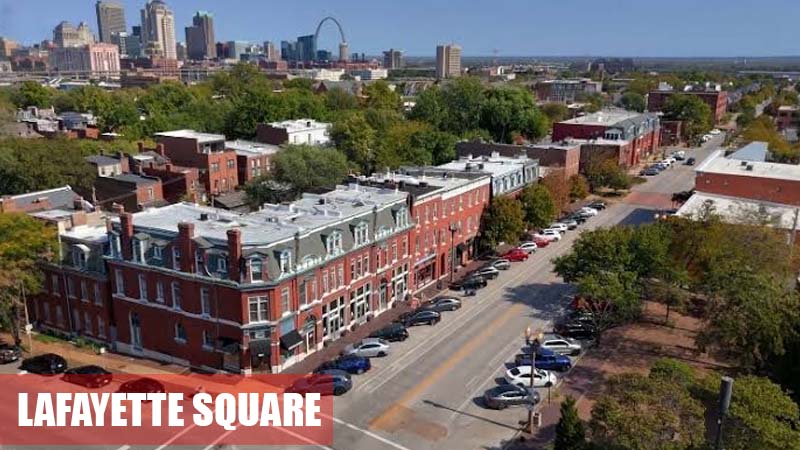
Spotlight on Lafayette Square: Adapting to the 2026 Market
The market dynamics in Lafayette Square reflect the broader St. Louis trends, but with unique local nuances. Historically, Lafayette Square has been a highly sought-after area, known for its distinct architectural character, community amenities, and robust local economy. However, as we move through late summer 2026, sellers in Lafayette Square must recalibrate their expectations. While demand remains present, the buyer pool is exhibiting increased caution. The premium previously placed on simply having a Lafayette Square zip code is no longer sufficient to override pricing misalignments.
For sellers in this specific submarket, the emphasis must shift heavily toward pre-listing preparation. Buyers viewing homes in Lafayette Square are comparing your property not just against current active listings, but against the heightened expectations set by the current interest rate environment. They expect systems—HVAC, roofing, plumbing—to be in excellent working order. If your home in Lafayette Square requires significant capital expenditure shortly after closing, you must adjust your listing price to reflect that reality, or risk sitting on the market well beyond the median 44 days.
Furthermore, staging has proven to be incredibly effective in Lafayette Square. Highlighting the natural light, defining the usage of transitional spaces (such as home offices or reading nooks), and maximizing the perceived square footage can dramatically impact a buyer's emotional connection to the property. It is about creating a narrative of a well-cared-for home where a new family can immediately begin building memories, rather than taking on a project.
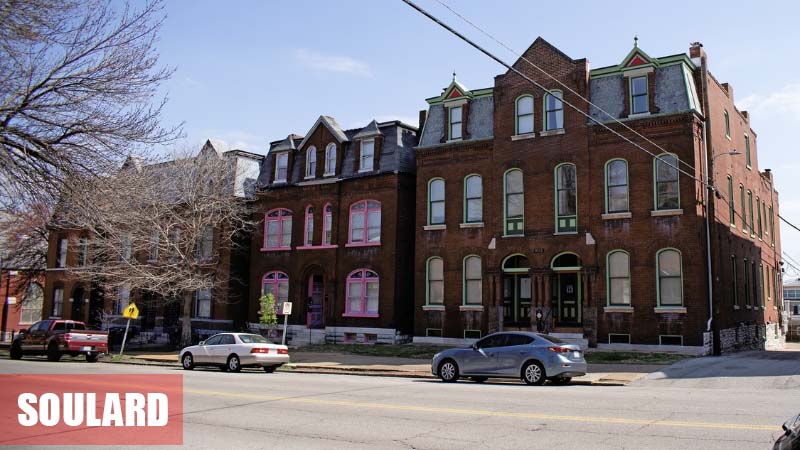
Spotlight on Soulard: Adapting to the 2026 Market
The market dynamics in Soulard reflect the broader St. Louis trends, but with unique local nuances. Historically, Soulard has been a highly sought-after area, known for its distinct architectural character, community amenities, and robust local economy. However, as we move through late summer 2026, sellers in Soulard must recalibrate their expectations. While demand remains present, the buyer pool is exhibiting increased caution. The premium previously placed on simply having a Soulard zip code is no longer sufficient to override pricing misalignments.
For sellers in this specific submarket, the emphasis must shift heavily toward pre-listing preparation. Buyers viewing homes in Soulard are comparing your property not just against current active listings, but against the heightened expectations set by the current interest rate environment. They expect systems—HVAC, roofing, plumbing—to be in excellent working order. If your home in Soulard requires significant capital expenditure shortly after closing, you must adjust your listing price to reflect that reality, or risk sitting on the market well beyond the median 44 days
Furthermore, staging has proven to be incredibly effective in Soulard. Highlighting the natural light, defining the usage of transitional spaces (such as home offices or reading nooks), and maximizing the perceived square footage can dramatically impact a buyer's emotional connection to the property. It is about creating a narrative of a well-cared-for home where a new family can immediately begin building memories, rather than taking on a project.

Spotlight on Florissant: Adapting to the 2026 Market
The market dynamics in Florissant reflect the broader St. Louis trends, but with unique local nuances. Historically, Florissant has been a highly sought-after area, known for its distinct architectural character, community amenities, and robust local economy. However, as we move through late summer 2026, sellers in Florissant must recalibrate their expectations. While demand remains present, the buyer pool is exhibiting increased caution. The premium previously placed on simply having a Florissant zip code is no longer sufficient to override pricing misalignments.
For sellers in this specific submarket, the emphasis must shift heavily toward pre-listing preparation. Buyers viewing homes in Florissant are comparing your property not just against current active listings, but against the heightened expectations set by the current interest rate environment. They expect systems—HVAC, roofing, plumbing—to be in excellent working order. If your home in Florissant requires significant capital expenditure shortly after closing, you must adjust your listing price to reflect that reality, or risk sitting on the market well beyond the median 44 days.
Furthermore, staging has proven to be incredibly effective in Florissant. Highlighting the natural light, defining the usage of transitional spaces (such as home offices or reading nooks), and maximizing the perceived square footage can dramatically impact a buyer's emotional connection to the property. It is about creating a narrative of a well-cared-for home where a new family can immediately begin building memories, rather than taking on a project.
Be Prepared to Negotiate
Sellers are seeing fewer immediate price reductions on the listing side, but negotiations during the contract phase have intensified. You might need to bend on closing costs, offer a home warranty, or agree to minor inspection repairs to get the deal across the finish line. Buyers are hyper-aware of their budgets, and a $3,000 credit for closing costs might be the difference between a successful sale and a buyer walking away.
This is where having an experienced team like House Sold Easy is invaluable. We know how to structure a counter-offer that protects your bottom line while keeping the buyer engaged. We know which inspection requests are reasonable and which are excessive. Right now, the average home value here in St. Louis sits around $263,197. Maximizing your return on that investment requires strategic flexibility.
Frequently Asked Questions for Fall 2026 Sellers
1. How much should I invest in repairs before listing?
This is a common question, and the answer is highly dependent on your specific property and target market. Generally, we recommend focusing on "ROI-positive" improvements. These include fresh, neutral paint throughout the interior, professional carpet cleaning or replacement if heavily worn, addressing any obvious deferred maintenance (like a running toilet or a cracked window), and maximizing curb appeal with fresh landscaping. Major renovations, such as a full kitchen overhaul, rarely yield a 100% return on investment in a balanced market. It is often wiser to price the home slightly lower and allow the new buyer to make their own design choices. However, ensuring the home is structurally sound and functionally reliable is non- negotiable in 2026.
2. How much should I invest in repairs before listing?
This is a common question, and the answer is highly dependent on your specific property and target market. Generally, we recommend focusing on "ROI-positive" improvements. These include fresh, neutral paint throughout the interior, professional carpet cleaning or replacement if heavily worn, addressing any obvious deferred maintenance (like a running toilet or a cracked window), and maximizing curb appeal with fresh landscaping. Major renovations, such as a full kitchen overhaul, rarely yield a 100% return on investment in a balanced market. It is often wiser to price the home slightly lower and allow the new buyer to make their own design choices. However, ensuring the home is structurally sound and functionally reliable is non- negotiable in 2026.
3. How much should I invest in repairs before listing?
This is a common question, and the answer is highly dependent on your specific property and target market. Generally, we recommend focusing on "ROI-positive" improvements. These include fresh, neutral paint throughout the interior, professional carpet cleaning or replacement if heavily worn, addressing any obvious deferred maintenance (like a running toilet or a cracked window), and maximizing curb appeal with fresh landscaping. Major renovations, such as a full kitchen overhaul, rarely yield a 100% return on investment in a balanced market. It is often wiser to price the home slightly lower and allow the new buyer to make their own design choices. However, ensuring the home is structurally sound and functionally reliable is non-negotiable in 2026.
4. How much should I invest in repairs before listing?
This is a common question, and the answer is highly dependent on your specific property and target market. Generally, we recommend focusing on "ROI-positive" improvements. These include fresh, neutral paint throughout the interior, professional carpet cleaning or replacement if heavily worn, addressing any obvious deferred maintenance (like a running toilet or a cracked window), and maximizing curb appeal with fresh landscaping. Major renovations, such as a full kitchen overhaul, rarely yield a 100% return on investment in a balanced market. It is often wiser to price the home slightly lower and allow the new buyer to make their own design choices. However, ensuring the home is structurally sound and functionally reliable is non- negotiable in 2026.
5. How much should I invest in repairs before listing?
This is a common question, and the answer is highly dependent on your specific property and target market. Generally, we recommend focusing on "ROI-positive" improvements. These include fresh, neutral paint throughout the interior, professional carpet cleaning or replacement if heavily worn, addressing any obvious deferred maintenance (like a running toilet or a cracked window), and maximizing curb appeal with fresh landscaping. Major renovations, such as a full kitchen overhaul, rarely yield a 100% return on investment in a balanced market. It is often wiser to price the home slightly lower and allow the new buyer to make their own design choices. However, ensuring the home is structurally sound and functionally reliable is non- negotiable in 2026.
6. How much should I invest in repairs before listing?
This is a common question, and the answer is highly dependent on your specific property and target market. Generally, we recommend focusing on "ROI-positive" improvements. These include fresh, neutral paint throughout the interior, professional carpet cleaning or replacement if heavily worn, addressing any obvious deferred maintenance (like a running toilet or a cracked window), and maximizing curb appeal with fresh landscaping. Major renovations, such as a full kitchen overhaul, rarely yield a 100% return on investment in a balanced market. It is often wiser to price the home slightly lower and allow the new buyer to make their own design choices. However, ensuring the home is structurally sound and functionally reliable is non-negotiable in 2026.
7. How much should I invest in repairs before listing?
This is a common question, and the answer is highly dependent on your specific property and target market. Generally, we recommend focusing on "ROI-positive" improvements. These include fresh, neutral paint throughout the interior, professional carpet cleaning or replacement if heavily worn, addressing any obvious deferred maintenance (like a running toilet or a cracked window), and maximizing curb appeal with fresh landscaping. Major renovations, such as a full kitchen overhaul, rarely yield a 100% return on investment in a balanced market. It is often wiser to price the home slightly lower and allow the new buyer to make their own design choices. However, ensuring the home is structurally sound and functionally reliable is non-negotiable in 2026.
8. How much should I invest in repairs before listing?
This is a common question, and the answer is highly dependent on your specific property and target market. Generally, we recommend focusing on "ROI-positive" improvements. These include fresh, neutral paint throughout the interior, professional carpet cleaning or replacement if heavily worn, addressing any obvious deferred maintenance (like a running toilet or a cracked window), and maximizing curb appeal with fresh landscaping. Major renovations, such as a full kitchen overhaul, rarely yield a 100% return on investment in a balanced market. It is often wiser to price the home slightly lower and allow the new buyer to make their own design choices. However, ensuring the home is structurally sound and functionally reliable is non-negotiable in 2026.
9. How much should I invest in repairs before listing?
This is a common question, and the answer is highly dependent on your specific property and target market. Generally, we recommend focusing on "ROI-positive" improvements. These include fresh, neutral paint throughout the interior, professional carpet cleaning or replacement if heavily worn, addressing any obvious deferred maintenance (like a running toilet or a cracked window), and maximizing curb appeal with fresh landscaping. Major renovations, such as a full kitchen overhaul, rarely yield a 100% return on investment in a balanced market. It is often wiser to price the home slightly lower and allow the new buyer to make their own design choices. However, ensuring the home is structurally sound and functionally reliable is non-negotiable in 2026.
10. How much should I invest in repairs before listing?
This is a common question, and the answer is highly dependent on your specific property and target market. Generally, we recommend focusing on "ROI-positive" improvements. These include fresh, neutral paint throughout the interior, professional carpet cleaning or replacement if heavily worn, addressing any obvious deferred maintenance (like a running toilet or a cracked window), and maximizing curb appeal with fresh landscaping. Major renovations, such as a full kitchen overhaul, rarely yield a 100% return on investment in a balanced market. It is often wiser to price the home slightly lower and allow the new buyer to make their own design choices. However, ensuring the home is structurally sound and functionally reliable is non- negotiable in 2026.
The Takeaway
A properly priced, well-maintained home in a good St. Louis school district will still command a premium. The underlying fundamentals of the St. Louis market—strong local economy, relative affordability compared to coastal markets, and excellent communities—remain solid. But the “wild west” days are over. You need a targeted, data-driven approach. Work with an agent who understands the current comps, not last year's hype.
If you are considering selling your St. Louis home this fall, do not leave your equity to chance. Contact the House Sold Easy Team today for a realistic, honest assessment of your home's value and a custom marketing strategy designed to get you the best possible price in today's market.
Ready to Buy or Sell in St. Louis? House Sold Easy Has You Covered!
Whether you're thinking about listing your home or exploring a cash offer, it's worth understanding all of your options before making a decision. The right choice depends on your timeline, your property's condition, and your goals. Contact House Sold Easy to discuss your situation and see what makes the most sense for you.Our St. Louis experts know every corner of this city and will make buying your dream home or selling your high-end property a breeze. Don’t miss out on the hottest market in the U.S.! Contact House Sold Easy today and let’s make your real estate goals happen!